The Depth of the Visible
Before entering higher education, EVELINA completed six years of formal academic art training. This education established a rigorous foundation in observation, composition, drawing, colour, and the construction of the image.
Two of those years were devoted exclusively to oil painting. Sustained engagement with the medium shaped an approach built through layering, revision, the resistance of the material, and the gradual accumulation of chromatic depth.
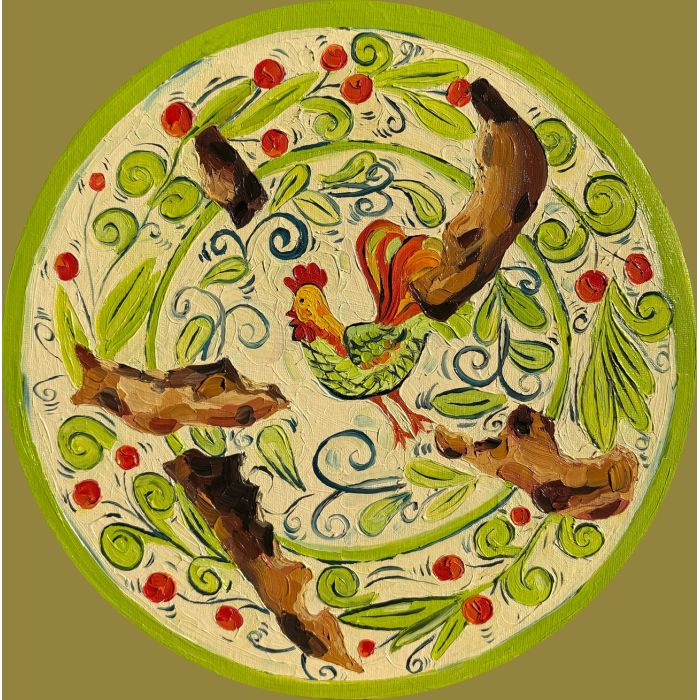
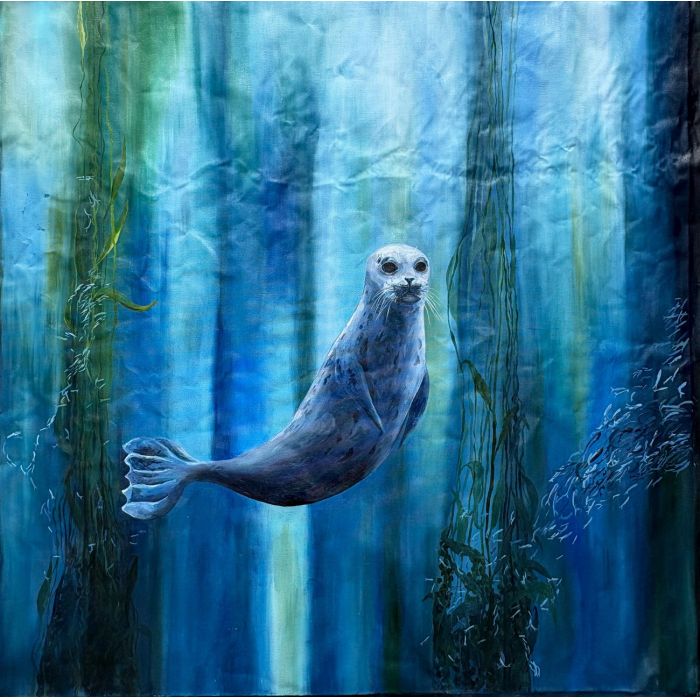
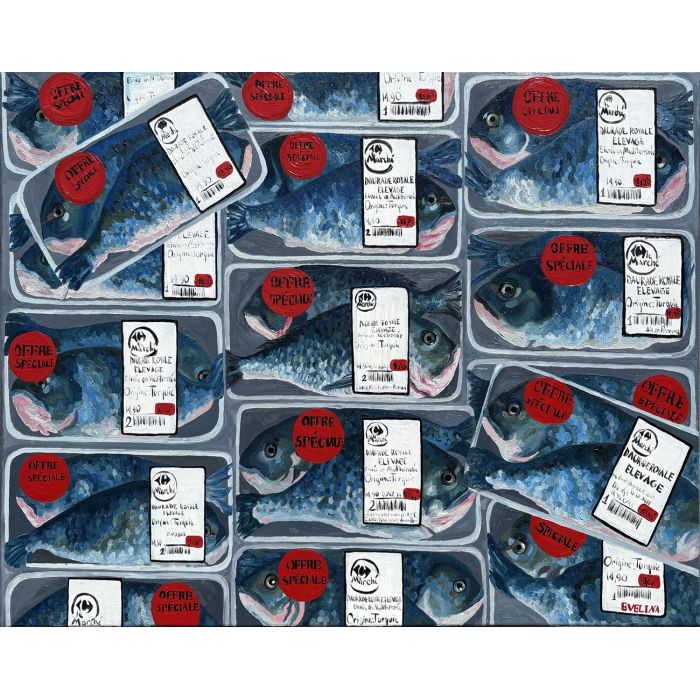
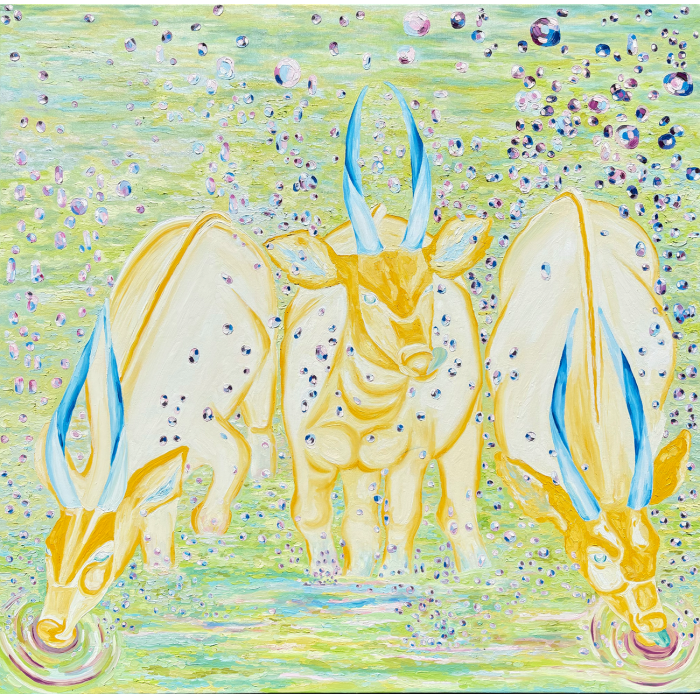
Moving to Aix-en-Provence to study Fine Arts marked a new chapter. The city ceased to function as a mere setting and became a field of artistic inquiry: fountains, markets, animals, fragments of civic architecture, and the distinctive intensity of southern light became recurring elements within the work.
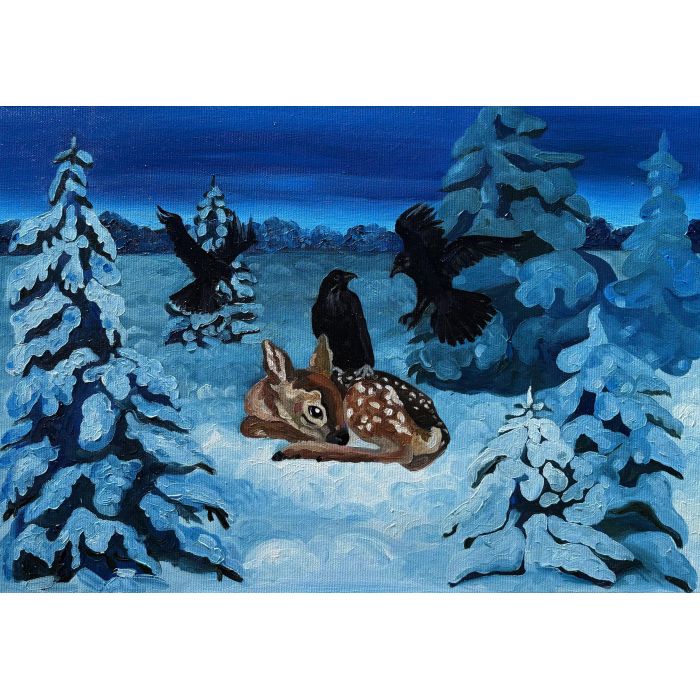
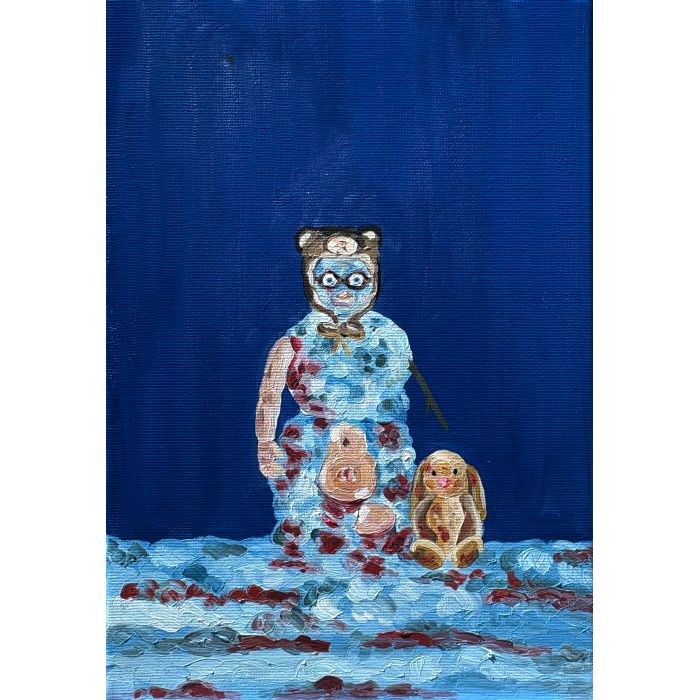
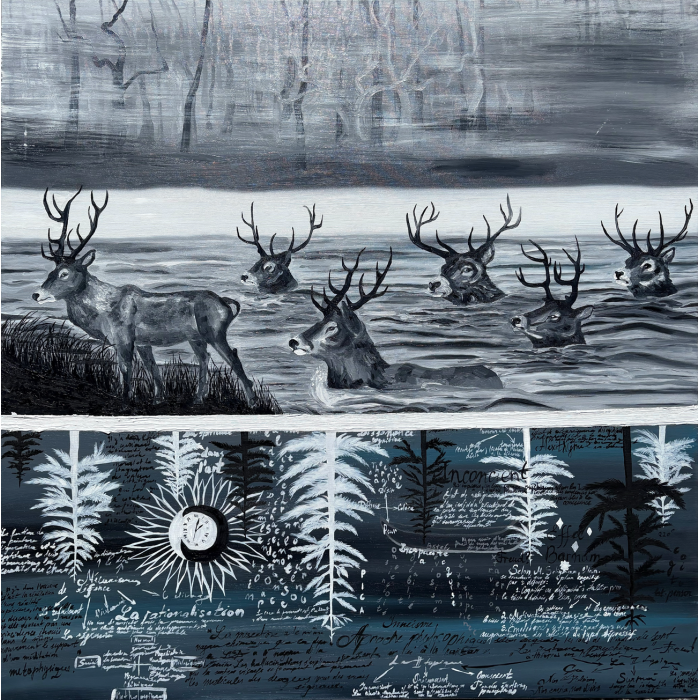
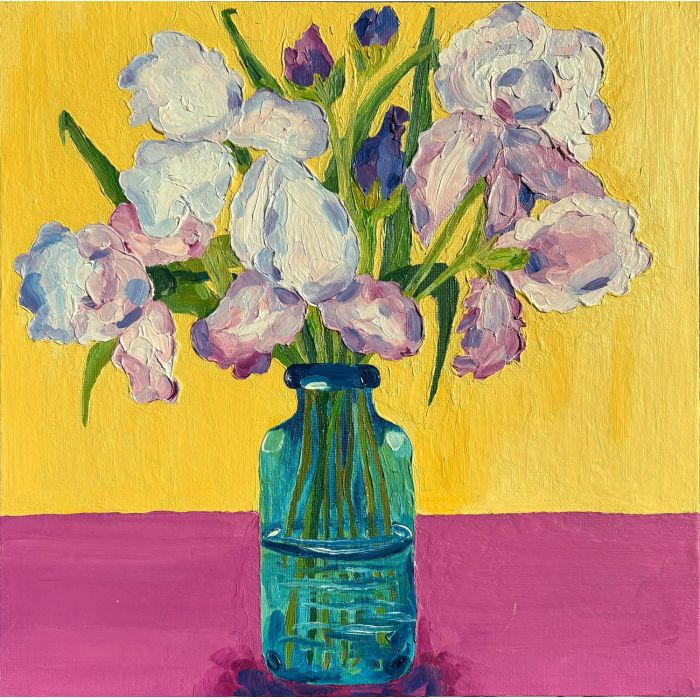
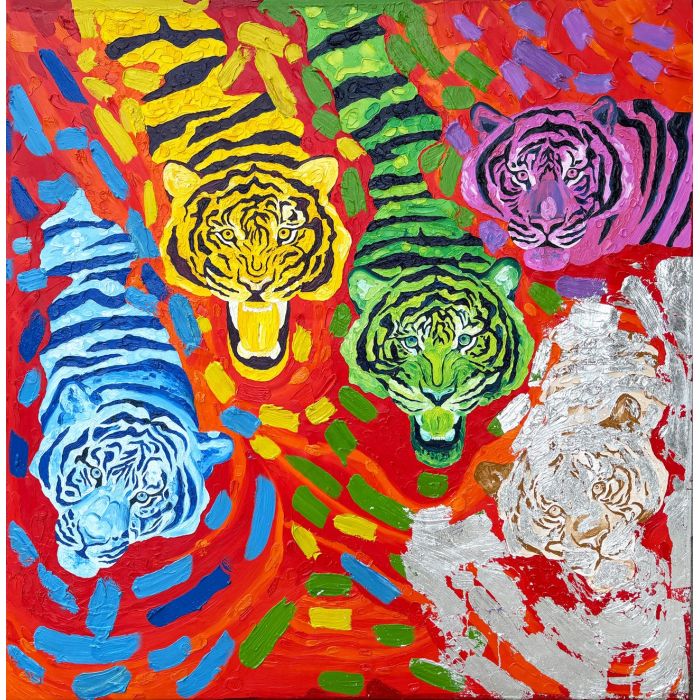
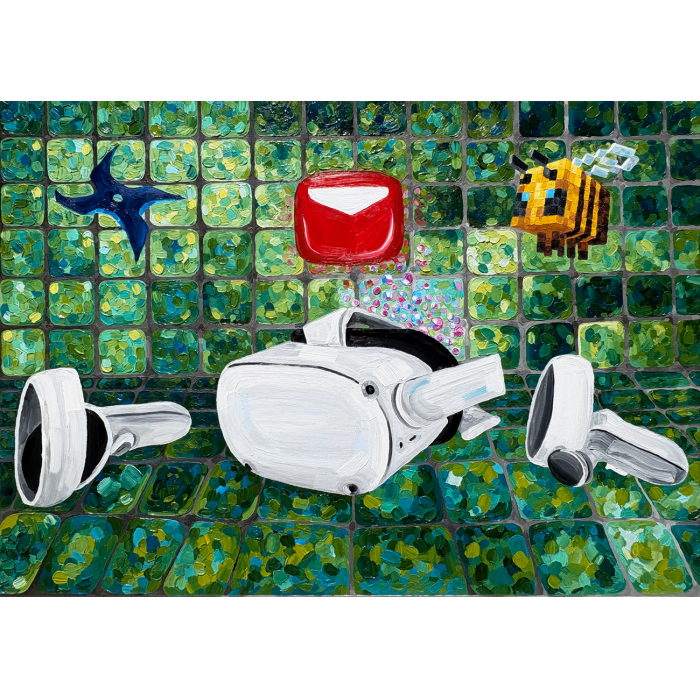
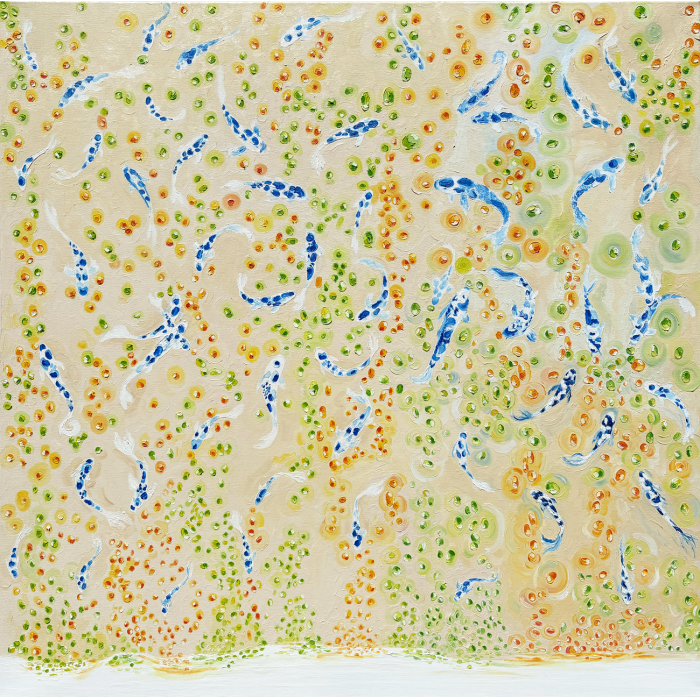
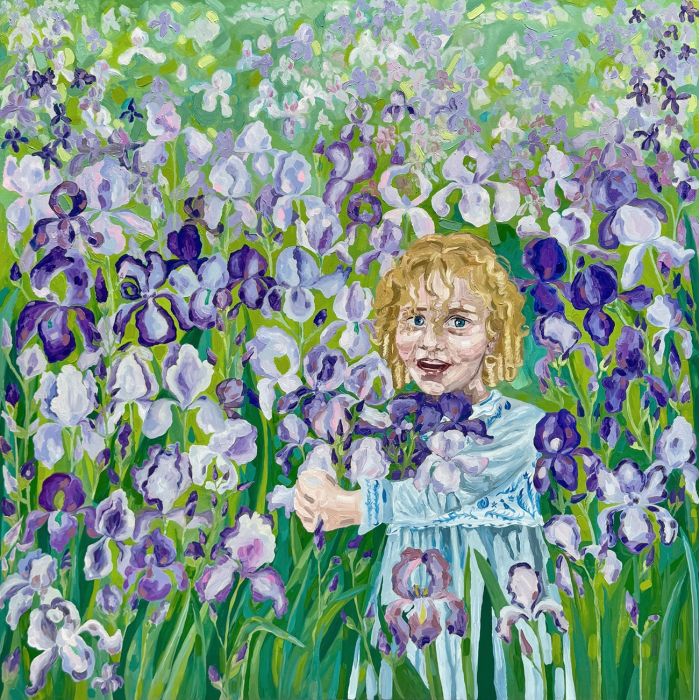
It was during this period that Innocenza di Aix, the artist's first major body of work, emerged. The paintings bring together seduction and unease, examining how visible beauty can coexist with isolation, precarity, and concealed social tensions. Traces et Tracées, presented in Aix-en-Provence from 7 to 14 March 2024, marked the first public presentation of this research.
Following graduation, an additional year was devoted to completing and deepening Innocenza di Aix. Rather than serving as the conclusion of an academic journey, the collection developed as an independent body of work with its own rhythm, revisions, and internal coherence.
Throughout this process, recurring motifs gradually ceased to function as illustrations and instead became visual resonances. Colour carried memory and atmosphere, while familiar forms returned transformed by time, emotional experience, and the act of looking again. This stage of the project was presented in Feu Follet at MAC ARTEUM from 7 to 20 March 2025.
In July 2026, Innocenza di Aix was exhibited in Paris's Marais district at 78 Temple Venue. The exhibition marked an important milestone in the development of an independent artistic practice.
The transition from Aix-en-Provence to Paris opened a new chapter without closing the previous one. The paintings continue to engage in dialogue with art history, spirituality, chromatic resonance, and memory understood as a material in constant transformation.
The painted surface contains more than the eye can name. Sensation, history, and lived experience converge there, each continuously transforming the others.